


The future of smart packaging bags has arrived
Packaging bags are evolving from passive containers to "smart butlers".

Your portable ritual, delivering a world of craft flavor in one perfect, sealed moment. Freshness preserved, convenience perfected, for the adventure that awaits in every cup.
See More
Coffee & Tea

Frozen Food

Granola&Cereals

Liquid

Organic & Supplemet

PET Food

Snack

DO YOU HAVE A SHOP?
we enhance our competitiveness by exploring new markets and developing new products.
We
always keep in mind the needs of our customers and the expectations of our end users to
optimize our product design and services.
Product Category
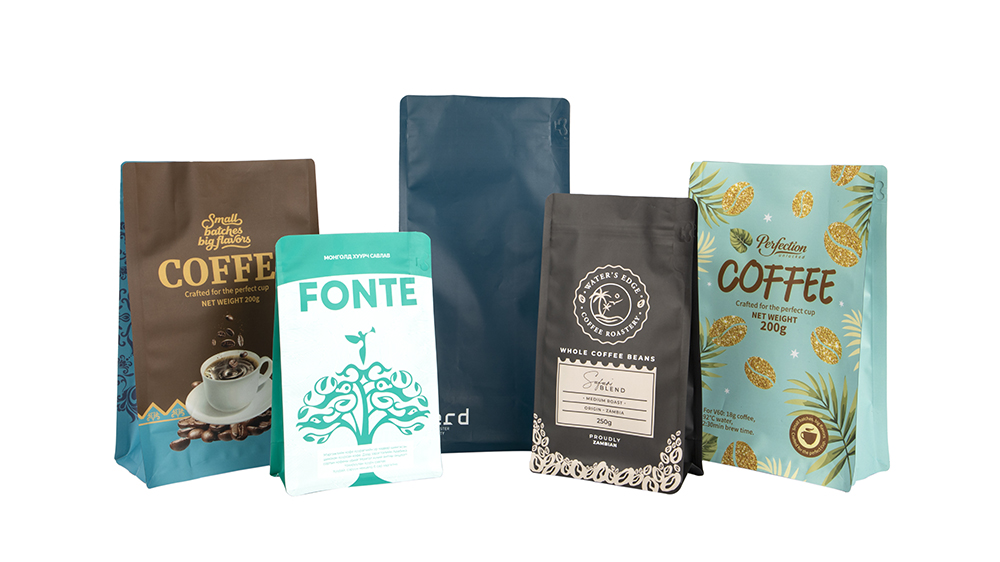
For coffee enthusiasts and professional roasters alike, the journey from bean to cup is sacred. Central to preserving that journey's integrity is the humble yet crucial coffee bag. It's not just a container; it's a preservation system, a brand statement, and the final guardian of your coffee's complex aroma and taste. A superior coffee bag does more than hold beans—it actively protects them from their greatest enemies: oxygen, moisture, light, and heat. In this detailed guide, we will explore the essential features, technical parameters, and design considerations that define a premium coffee bag, ensuring your coffee arrives at its peak flavor, every time.
The modern coffee bag is a feat of functional packaging engineering. It moves far beyond simple plastic or paper, incorporating multiple layers and innovative features designed to create a stable microenvironment for roasted coffee. The primary goal is to slow down the staling process caused by oxidation and degassing. Here are the core components and parameters that separate amateur packaging from professional solutions.
Understanding these specifications will help you choose the right bag for your coffee's needs, whether for single-origin specialty beans or high-volume commercial blends.
High-quality bags typically consist of 3 to 4 layers. The outer layer provides structure and printability, the middle layers are critical barriers, and the inner layer is food-safe and often sealable.
The most critical metrics. Oxygen Transmission Rate (OTR) measures how much oxygen can pass through the material over time. A lower OTR (measured in cm³/m² per day) is superior. Water Vapor Transmission Rate (WVTR) measures moisture barrier effectiveness.
A non-negotiable feature for fresh roasted coffee. This valve allows carbon dioxide (a byproduct of roasting) to escape without letting external oxygen back in, preventing the bag from bursting while maintaining a low-oxygen environment.
Many bags include a metallized layer or use opaque materials to block ultraviolet light, which can degrade coffee oils and accelerate staling.
A strong, airtight seal—usually a heat seal—is vital. Some premium bags feature a resealable zipper or tin-tie to maintain freshness after opening.
Options range from recyclable plastics to compostable films made from plant-based materials like PLA (Polylactic Acid). The choice balances barrier needs with environmental responsibility.
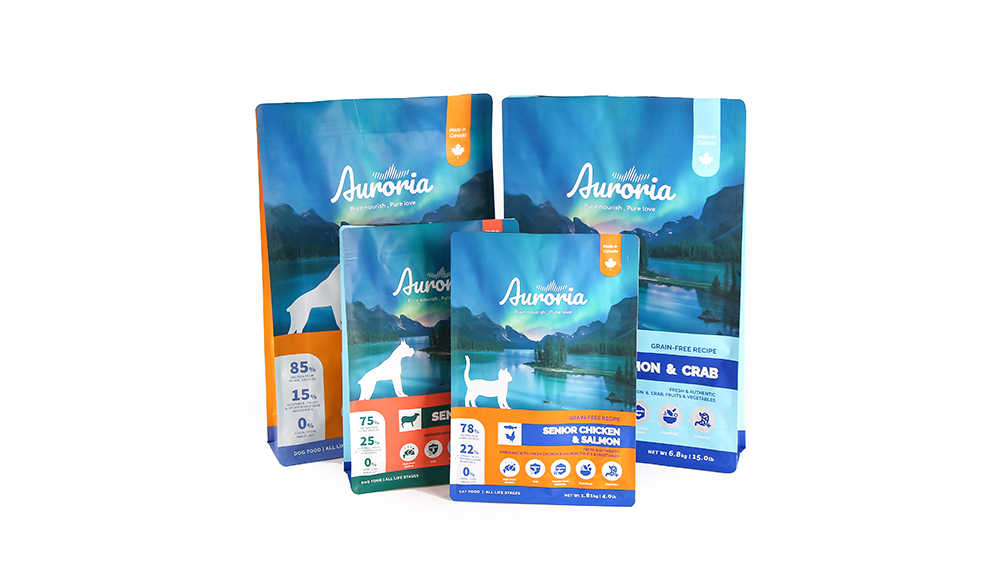
Wanle is a professional PET food bag manufacturer and reliable PET food bag supplier, with years of deep cultivation in the pet packaging industry. We focus on providing tailored packaging solutions for global pet food procurement parties, featuring rapid response to customization needs and strict quality control systems. As trusted PET food bag manufacturers and suppliers, we understand the core demands of procurement for stability, safety and cost-effectiveness, and strive to deliver high-compliance PET food bag products that meet international market standards.
Our PET food bag series boasts targeted functional designs to match diverse product needs. The Dog Food Bag with Valve is equipped with an upgraded one-way exhaust valve, which efficiently discharges excess gas generated during food storage to avoid bag swelling and ensure long-term freshness. The Fish Food Flat Bottom Bag adopts a reinforced seamless bonding process, enhancing load-bearing capacity while enabling stable placement, convenient for display and storage. All PET food bag products use food-grade PET composite materials with enhanced moisture and oxygen barrier properties, effectively preventing pet food from dampening or deteriorating.
The PET food bag is widely applicable to multiple pet food packaging scenarios. It is suitable for packaging dry dog food, fish feed, pet freeze-dried snacks and other products, catering to the packaging needs of pet food brands, pet stores, breeding bases and individual breeders. For large-batch procurement by brands or bulk packaging for stores, our PET food bag can be adjusted in specifications and printing according to actual needs, perfectly adapting to different sales channels and storage environments, and helping products improve market competitiveness.
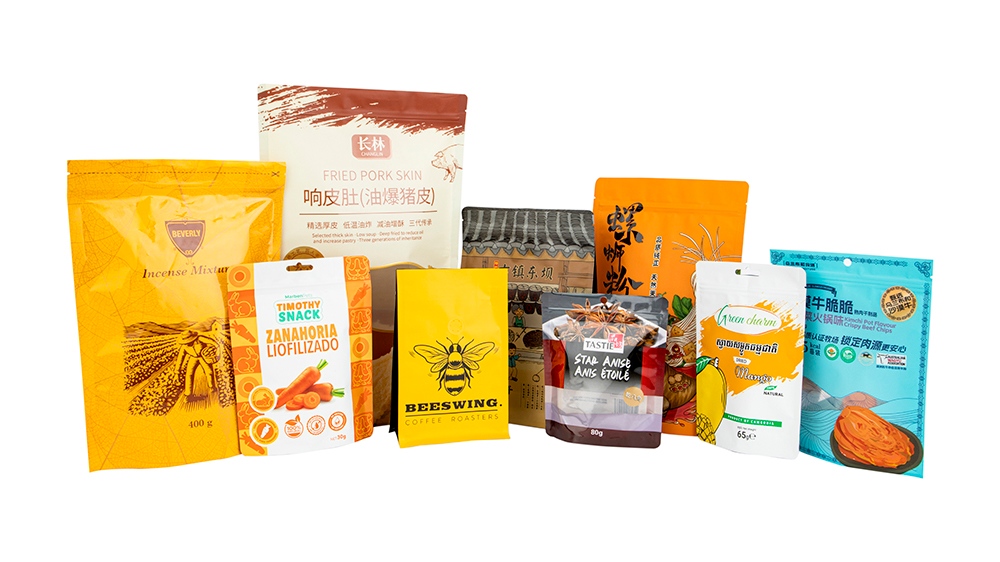
A Food Bag is an innovative, reusable storage solution designed to keep your groceries, meal preps, and leftovers fresh, organized, and conveniently portable. It transcends the function of a simple bag by integrating features that address food preservation, space efficiency, and environmental responsibility. Ideal for busy professionals, families, health-conscious individuals, and eco-aware shoppers, a high-quality food bag helps reduce waste, saves money, and simplifies daily food management.
Our premium Food Bag is engineered with attention to detail. Below are the specifications that set it apart.
Q: How do I properly clean and maintain my Food Bag?
A: For daily maintenance, simply wipe the interior with a damp cloth and mild soap. For a deeper clean, if your model has a removable liner, you can hand-wash it in warm, soapy water. Allow all parts to air dry completely before reassembling or storing. Do not machine wash or tumble dry the main bag body unless specifically stated in your model's instructions, as this can damage the insulation and waterproof coating.
Q: What's the best way to use the Food Bag for keeping items cold or hot?
A: For optimal temperature retention, pre-chill or pre-heat the bag for 10-15 minutes before use. Place ice packs (for cold) or insulated heat packs (for warm items) at the bottom and sides of the bag. Pack food items tightly together to minimize air space, which helps maintain temperature. Close the zipper fully immediately after packing.
Q: Is the Food Bag truly leak-proof?
A: The bag is highly water-resistant and leak-resistant due to its welded inner seam construction and PEVA lining. It can effectively contain spills from containers. However, it is not designed to be submersible or to hold liquids directly without a sealed container. For maximum safety, always place liquids in sealed, spill-proof bottles or containers inside the bag.
Q: Can I use the Food Bag for non-food items?
A: Absolutely. While designed with food safety in mind, the durable and insulated construction makes it perfect for transporting medicines that require cool temperatures, photography equipment, cosmetics, or even as a general-purpose organized travel bag for small items.
Q: How does using a reusable Food Bag benefit the environment compared to single-use bags?
A: A single, durable food bag can replace hundreds, if not thousands, of disposable plastic and paper bags over its lifetime. It reduces plastic pollution, lowers carbon footprint associated with producing single-use items, and decreases landfill waste. By investing in a quality bag, you actively contribute to a more sustainable consumption cycle.
Q: Are the materials used in the Food Bag safe for direct food contact?
A: Yes. The inner lining is made from PEVA, which is a food-safe, BPA-free, phthalate-free, and non-toxic material. It is compliant with relevant food contact safety regulations. We recommend placing food in separate containers or wraps for hygiene, but the lining itself is safe.
Q: How should I store my Food Bag when not in use?
A: Ensure the bag is completely clean and dry. Lightly dust the inside with baking soda to absorb any lingering odors if needed (vacuum out before next use). Store it slightly open or rolled, not tightly compressed, in a cool, dry place away from direct sunlight to preserve the material's integrity and insulation properties.
Q: What is the warranty on the Food Bag?
A: Our premium food bags come with a 2-year limited warranty covering defects in materials and workmanship under normal use. This includes issues with zippers, seams, and insulation failure not caused by misuse. Refer to the warranty card included with your purchase for specific claims procedures.
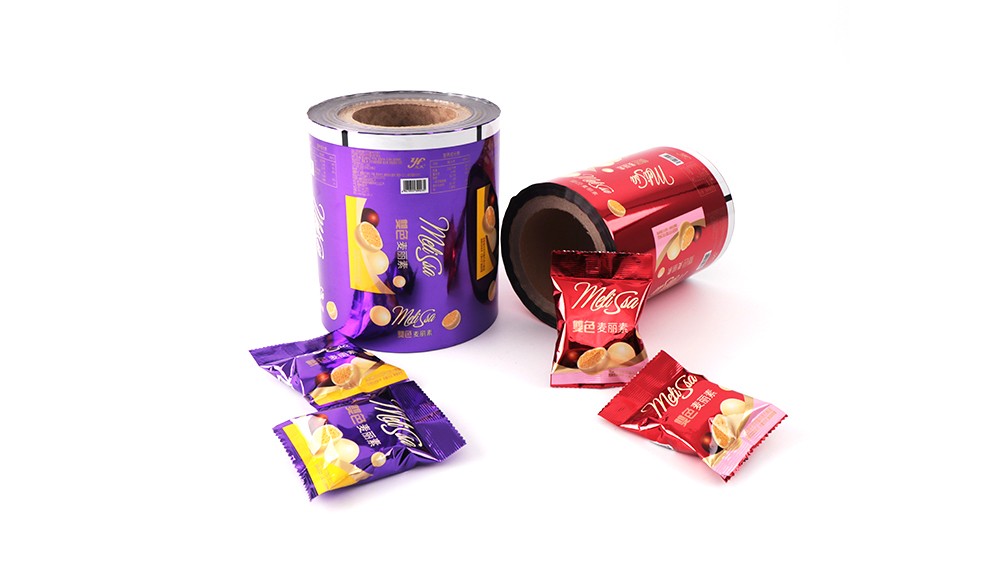
In the world of traditional photography, Roll Film remains a cornerstone for enthusiasts and professionals who cherish the tangible, deliberate process of capturing images. Unlike instant digital results, roll film photography involves a physical medium—a strip of flexible plastic coated with light-sensitive emulsion—wound onto a spool. This format demands skill and intention, from loading the film in a camera to developing it in a darkroom. The unique characteristics of film grain, dynamic range, and color rendition continue to offer an aesthetic that digital often strives to emulate. For many, using roll film is not just a photographic choice but a connection to the art form's rich history and a mindful creative practice.
To make an informed choice for your photographic projects, understanding the technical specifications of roll film is crucial. Below is a detailed breakdown of the key parameters that define our high-quality roll film products.
Q: How should I store my unshot and exposed roll film?
A: For long-term storage, keep unshot film in its original packaging in a refrigerator (not freezer) at approximately 13°C (55°F) or lower. Allow the film to reach room temperature for several hours before use to prevent condensation. Exposed film should be developed as soon as possible. If delay is unavoidable, store it in a cool, dry, and dark place, but avoid long-term refrigeration after exposure.
Q: What is the difference between 135 and 120 roll film?
A: 135 film, commonly called 35mm, is housed in a light-tight cassette and is used in smaller SLR and rangefinder cameras. The image frame is 36x24mm. 120 film is a roll of film with a backing paper, used in medium format cameras. It produces a much larger negative (e.g., 6x6cm, 6x7cm), resulting in significantly higher resolution, finer apparent grain, and greater detail in enlargements. The choice depends on your camera system and desired image quality.
Q: Can I reuse a roll film?
A: No, roll film is a one-time-use analog medium. Once exposed and developed, the chemical changes on the emulsion are permanent. You cannot "erase" or reshoot on the same strip of film.
Q: What does "pushing" or "pulling" film mean?
A: Pushing film means rating it at a higher ISO than its box speed (e.g., shooting ISO 400 film at 800) and then compensating with extended development time. This increases effective sensitivity for low-light but also increases contrast and grain. Pulling is the opposite: rating it at a lower ISO (e.g., shooting ISO 400 at 200) with reduced development, yielding lower contrast and finer grain. This must be communicated to your lab during development.
Q: Why are my film scans or prints grainy or lacking sharpness?
A: Graininess can be caused by using a high-ISO film, underexposure, or aggressive scanning settings. Ensure you meter correctly for your scene. Lack of sharpness can stem from camera shake, poor lens quality, inaccurate focus, or a low-resolution scan. Using a tripod, a sharp lens, proper focusing technique, and requesting high-resolution scans from your lab will mitigate these issues.
Q: How does film handle overexposure and underexposure compared to digital?
A: Color negative film has a remarkable tolerance for overexposure, often retaining highlight details well. It is generally less forgiving of severe underexposure, where shadows can become muddy and lack detail. Slide film has less latitude and requires more precise exposure. A good rule for negative film is "expose for the shadows," meaning ensure your shadows have enough light, while highlights often take care of themselves.
Q: Can I develop color film (C-41) and black & white film at home?
A: Yes, but the processes differ. Black & white development is more accessible for beginners, requiring a developer, stop bath, fixer, and precise temperature control (around 20°C). The chemistry is more forgiving and allows for creative experimentation. C-41 color negative and E-6 slide processes require stricter temperature control (usually 38°C / 100.4°F with minimal variance) and more consistent chemical mixing. While possible at home, it is often more challenging for newcomers. Many photographers start with B&W and progress to color.
Q: What is the shelf life of roll film?
A: The shelf life depends on storage conditions. Film stored at room temperature typically has an expiration date 2-3 years from manufacture, after which colors may shift and speed may decrease. Refrigerated or frozen film can retain its characteristics for decades. High-speed films (ISO 800+) degrade faster than slower films. It's always best to use film before its expiration date for optimal results.
Q: What are the common development processes, and can I cross-process film?
A: The standard processes are C-41 for color negatives, E-6 for color positives/slides, and various chemistries for black & white (e.g., D-76, HC-110). Cross-processing involves developing film in chemistry meant for another type, most commonly developing E-6 slide film in C-41 chemicals. This creates strong color shifts, high contrast, and unpredictable results, often used for artistic effect. It must be done intentionally, and you should inform your lab if that is your goal.

A Mylar bag, often called a foil pouch or barrier bag, is a specialized storage solution engineered for maximum protection. Its core component is a metallized polyester film, typically aluminum, laminated to other plastic layers. This construction creates an exceptional barrier against the primary enemies of long-term storage: oxygen, moisture, light, and odors. Unlike simple plastic bags or containers, Mylar bags provide a near-hermetic seal when used with oxygen absorbers, drastically extending the shelf life of contents from years to decades. They are the industry standard for food storage, pharmaceuticals, electronics, and collectibles where preservation is critical.
Choosing the right Mylar bag requires understanding its technical specifications. Here are the critical parameters that define performance and suitability.
Laminated layers of polyester (Mylar), aluminum, and often polyethylene. The aluminum layer is the key barrier.
Ranges from 3.5 mil to 7 mil+ (1 mil = 0.001 inch). Thicker bags offer greater durability and puncture resistance.
Measured by Oxygen Transmission Rate (OTR) and Water Vapor Transmission Rate (WVTR). High-quality bags have extremely low rates.
Heat-sealed for a permanent, airtight closure. The quality of the seal is paramount.
Available in a vast array of sizes from small (e.g., 5" x 7") to large drums (e.g., 20" x 30" or bigger).
May include zipper closures (for short-term access), transparent windows, matte or glossy finish, and puncture-resistant layers.
Q: How long does food last in a Mylar bag with oxygen absorbers?
A: Shelf life is dramatically extended. Dry staples like rice, beans, wheat, and pasta can last 10-25 years or more when properly sealed in a quality Mylar bag with the correct amount of oxygen absorbers. Factors affecting longevity include the initial food moisture content (must be <10%), storage temperature (cooler is better), and the integrity of the seal. This compares to 1-2 years in plastic containers or original packaging.
Q: Can I reuse a Mylar bag?
A: Generally, no. Mylar bags are designed for single-use, long-term storage. The heat seal creates a permanent, fused bond. Attempting to open it will tear the material or compromise the seal integrity. For reusable, short-term barrier storage, consider bags with high-quality zipper closures specifically rated for moisture and oxygen barrier, though these are not equivalent to a heat-sealed bag for decades-long storage.
Q: What size oxygen absorber do I need for my Mylar bag?
A: The size (measured in cc, cubic centimeters of oxygen absorbed) depends on the bag's volume and the residual air. A key rule is to account for the "headspace" - the empty air in the bag after filling. For a full, tightly-packed bag, a common recommendation is 100-300 cc per gallon of bag capacity. For example, a 1-gallon bag often uses a 100cc absorber, while a 5-gallon bucket liner uses a 500cc or 1000cc absorber. Always err on the side of a larger capacity absorber.
Q: How do I properly seal a Mylar bag?
A: Proper sealing is critical. Use a dedicated impulse heat sealer, not a clothes iron or hair straightener, for consistent results. Steps: 1) Fill bag, leaving at least 3 inches of clean space at the top. 2) Add the appropriate oxygen absorber(s). 3) Compress the bag to expel as much air as possible from the top. 4) Wipe the sealing area clean and dry. 5) Apply the heat sealer firmly across the entire width of the bag. 6) Allow the seal to cool completely before handling. Check the seal for any gaps or wrinkles.
Q: Are Mylar bags microwave or freezer safe?
A: No, they are not microwave safe. The metalized layer will cause arcing and sparks in a microwave, potentially causing fire and damaging the appliance. Regarding freezing, while the bag material itself can withstand low temperatures, the seal can become brittle and may crack under physical stress. It is not recommended for direct, long-term freezer use where flexing occurs. Use bags specifically rated for freezing if needed.
Q: What's the difference between Mylar bags and vacuum-sealer bags?
A: This is a crucial distinction. Vacuum-sealer bags (like those used with FoodSaver devices) are primarily designed to remove air to prevent freezer burn and short-to-medium-term spoilage (months). They are not a complete oxygen barrier. Mylar bags, when paired with oxygen absorbers, chemically remove nearly all oxygen and provide a superior, multi-layer barrier against gas and moisture transmission, enabling storage for decades. For true long-term (5+ year) food storage, Mylar with absorbers is the correct method.
Q: Can Mylar bags be used for non-food items?
A: Absolutely. Their protective properties make them ideal for a wide range of items: important documents and photos (protecting from moisture and light), electronic components and circuit boards (preventing oxidation), collectible coins or trading cards (guarding against tarnish and environmental damage), seeds for long-term viability, and sensitive equipment parts in storage. The principle is the same: create an inert, stable environment.
Q: How do I choose the right thickness (mil) for my needs?
A: Thickness correlates with durability and, to some extent, barrier performance. 3.5-4.0 mil bags are suitable for lightweight, non-sharp items like flour or powders. 4.5-5.0 mil is the most popular general-purpose range for food storage (grains, beans) offering an excellent balance of strength, flexibility, and cost. 7.0 mil and above are heavy-duty bags for items with sharp edges (like pasta), extremely long-term archives, or for use inside containers like buckets where extra abrasion resistance is needed.

In the world of logistics, retail, and manufacturing, efficient and reliable packaging is non-negotiable. A Non Food Bag is a specialized packaging solution designed for the safe containment, protection, and transportation of items that are not intended for human consumption. Unlike food-grade packaging, which must meet stringent safety standards to prevent contamination, non-food bags are engineered for durability, strength, and suitability with a vast array of industrial, commercial, and retail products. These bags are indispensable in sectors like hardware, construction, automotive parts, textiles, pharmaceuticals (for non-ingestible items), and general merchandise, where product integrity during storage and shipping is paramount.
The core purpose of a non-food bag is to provide a robust barrier against environmental factors such as dust, moisture, and light, while also ensuring the contents do not spill or become damaged. They are a critical component in supply chain management, helping businesses maintain organization, improve handling efficiency, and present products professionally to end-users.
Our non-food bags are manufactured with precision, using high-quality materials and processes to meet the rigorous demands of various industries. Below is a detailed breakdown of our product's specifications.
Our non-food bags are versatile and serve a multitude of purposes across diverse sectors:
Packaging for clothing, shoes, books, stationery, and general merchandise. Provides a clean, professional look and protects items in transit.
Ideal for packaging screws, nails, fittings, small tools, and plumbing parts. The durable material prevents puncture and keeps parts organized.
Used for packaging spare parts, filters, gaskets, and other components that need protection from oil, grease, and dust.
For non-sterile, non-ingestible items like packaging for surgical kit components, external devices, or administrative supplies within medical facilities.
Storage and shipment of machine parts, textiles, raw materials (like plastic pellets), and finished goods.
Light-duty non-food bags can be used for general office or commercial dry waste collection.
Zhejiang Wanle Packaging Co., Ltd.

0
0 +
0 +
0 +
Packaging bags are evolving from passive containers to "smart butlers".

In daily life, we often see triangular "back" labels with numbers printed on packaging bags.

With the increasing awareness of environmental protection, biodegradable packaging bags have become a new favorite in the market.